

|
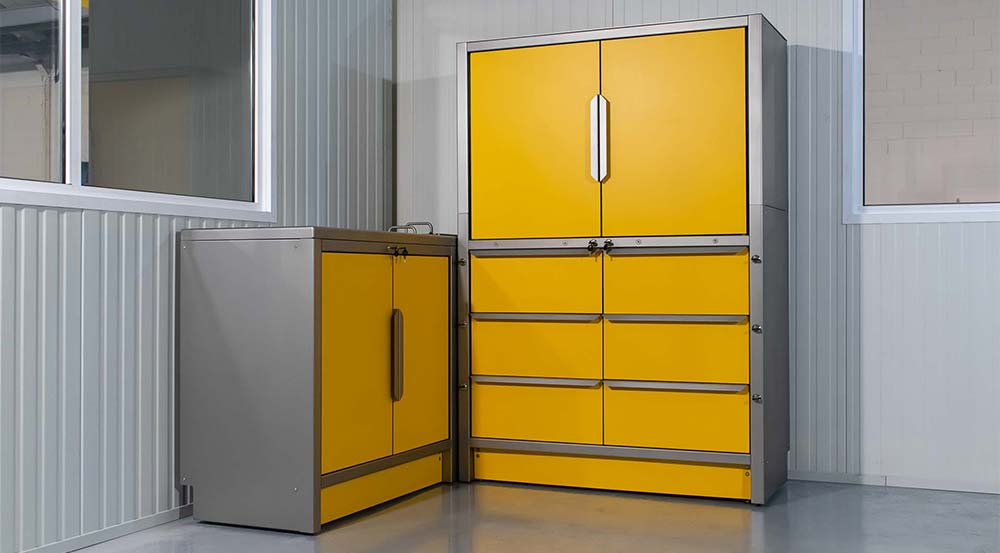
When it comes to radiation shielding, lead is the ideal material. One of the reasons for this is that lead is excellent in shielding the body from radiation sources. As a result, it is the industry standard for the design of radiation protection systems. Because lead cabinet is thick, it may be used to protect against a wide range of high-energy radiation applications, including gamma rays, x-rays, and other forms of nuclear radiation.
What Makes Lead SpecialIn principle, various materials may be used for radiation shielding, but only if the thickness of the shielding is adequate to lower the radiation to levels that are considered safe. Because lead metal exhibits unique qualities, it is considered one of the most valuable and reliable shielding materials. There are several factors to consider when choosing a shielding material, including the ease with which heat dissipates, resistance to radiation damage, reduced radiation levels, shielding permanence, required weight and thickness, considerations for multiuse, affordability, and uniformity capacity. Lead in metallic form, in combination with lead compounds, is often employed in radiation shielding applications. When employed for this purpose and in certain applications, high concentrations of lead fulfill the primary need for material. When it comes to protecting containers that hold radioactive elements, metallic lead is often employed. A remote control robot performs tasks controlled from behind a wall of lead bricks whenever very potent radioactive material is handled in hospitals, medical institutions, and labs. This greatly reduces the danger of handling radioactive material in these settings. This is visible in the x-ray equipment used in hospitals and clinics, covered by either lead foil or lead sheet to prevent radiation exposure. Radiation-Resistant CharacteristicsOne of the key characteristics of lead that makes it an excellent shielding material is its density. However, when it comes to radiation shielding, this material contains other crucial characteristics such as a high degree of application flexibility, an extremely high level of stability, and a very high atomic number. In addition to brick and lead wool, this material is widely accessible in a variety of shapes and sizes in the form of copper pipe, copper sheet, lead shot, lead sheet, copper-lined or copper-clad pipe, lead sheet, lead-lined pipe, and lead powder. In the end, lead and lead alloys are ideal radiation shielding materials for cabinets their high radiation resistance. One of the most advantageous characteristics of this material is the ease with which it can be worked. Lead operates very well in almost all sorts of shielding applications. The use of lead as a protective barrier provides peace of mind for those who operate with or near radioactive materials. |
Frequently asked questions
Why is lead the best material for radiation shielding cabinets?▼
Lead is ideal for radiation shielding due to its high density, high atomic number, and excellent radiation resistance. Its unique properties make it the industry standard for protecting against gamma rays, x-rays, and nuclear radiation in medical and laboratory settings.
What types of radiation can lead effectively shield against?▼
Lead effectively shields against high-energy radiation including gamma rays, x-rays, and other forms of nuclear radiation. Its thickness and density allow it to reduce radiation to safe levels across various applications.
In what forms is lead available for radiation shielding?▼
Lead is available in multiple forms including bricks, sheets, foil, wool, powder, and lined pipes. This variety of shapes and sizes makes it highly flexible for different shielding cabinet designs and applications.
How does lead density contribute to radiation protection?▼
Lead's high density is one of its key characteristics that makes it an excellent shielding material. Combined with its high atomic number and stability, the density effectively absorbs and blocks radiation from reaching people or sensitive equipment.
Is lead easy to work with for cabinet construction?▼
Yes, one of lead's most advantageous characteristics is the ease with which it can be worked. This workability, combined with its flexibility and stability, makes it ideal for constructing radiation shielding cabinets in hospitals, labs, and medical institutions.